
 ultimate-guide
Whole Home Decluttering Checklist: Room-by-Room Guide
Table of Contents
- Why a Whole Home Decluttering Checklist Matters
- How to Downsize for Seniors: A Compassionate Approach
- The Room-by-Room Decluttering Breakdown
- Decluttering Timeline: How Long Should This Take?
- The Toss-Donate-Keep System: How to Sort Everything
- Handling Large Volumes: When to Call Junk Removal Services in Cumming, GA
- Building a Decluttering Habit That Sticks
- Frequently Asked Questions
Last Updated: September 23, 2026
Why a Whole Home Decluttering Checklist Matters
A whole home decluttering checklist transforms what feels like an overwhelming project into a manageable, step-by-step process. Without one, you're likely to start in your bedroom, get distracted, move to the kitchen, and end up with clutter scattered across multiple rooms and zero sense of progress.
The real problem isn't the stuff itself, it's decision fatigue. Every item forces a choice: keep it, donate it, or toss it. After 50 decisions, your brain gets tired. A checklist removes that friction by telling you exactly what to tackle, in what order, and how to sort it. You're not thinking anymore. You're just executing.
Whether you're downsizing, preparing for assisted living, or simply reclaiming space in Cumming, Alpharetta, Milton, Johns Creek, Canton, Buford, Suwanee, Sugar Hill, or Dawsonville, having a structured approach means you'll actually finish. Below, we'll show you exactly how to work through your entire home systematically, and when to call in professional help for the heavy lifting.
How to Downsize for Seniors: A Compassionate Approach
Downsizing for seniors isn't just about reducing square footage. It's about simplifying life while preserving what matters most. The emotional weight of letting go of items tied to decades of memories is real, and rushing the process creates regret.
Start by involving the senior in every decision. This isn't about what you think they should keep, it's about what they actually want in their new space. Ask questions: "Does this bring you joy?" "When was the last time you used it?" "Does it fit in your new home?" These conversations often reveal that letting go feels lighter when it's their choice.
Common mistakes include discarding items without asking, creating resentment and conflict. Instead, set a timeline of weeks or months, not days. Tackle one room at a time. Many seniors find that donating items to family members or local charities feels better than throwing things away, there's meaning in knowing a cherished item will be used again.
For large-scale downsizing that includes heavy furniture, appliances, and items too bulky to handle alone, Estate & Move-Out Cleanouts become invaluable. I handle the physical labor so seniors and their families can focus on the emotional and logistical decisions.
The Room-by-Room Decluttering Breakdown
Working through your home systematically prevents decision paralysis and ensures nothing gets missed. Each room has different categories of items and different rules for what stays.

Kitchen and Pantry
The kitchen is often the easiest room to start with because decisions are straightforward: expired food goes, duplicates go, and single-use gadgets you haven't touched in two years go.
Check expiration dates on everything in your pantry, fridge, and freezer. Expired products take up valuable real estate and serve no purpose. Toss them without hesitation.
Next, look at gadgets and tools. If you own three can openers, one knife sharpener you've never used, and a bread maker gathering dust, those items are clutter. Keep one quality version of each tool you actually use. Everything else needs gone.
Dishes and glassware are another category where people accumulate excess. Do you really need 12 coffee mugs if you live alone? Keep what you use regularly and donate the rest. Many people find that keeping four place settings instead of eight is plenty, even for entertaining.
Bedroom and Closet
Bedrooms accumulate sentimental items and clothes that no longer fit. The key is being honest about what you actually wear.
Go through your closet and remove anything that hasn't been worn in a year. If it doesn't fit, doesn't feel good, or doesn't match your current style, it's taking up space. A smaller closet of clothes you love beats a packed one where you wear the same five outfits.
Under the bed is often a forgotten storage zone filled with off-season items, extra linens, and things with no clear home. Consolidate linens to what you actually use, two sets per bed is typically enough. Off-season items should be stored in labeled bins, not loose piles.
Nightstands and dressers tend to collect junk drawers. Old receipts, expired medications, broken jewelry, and random items should be sorted ruthlessly. Keep only what belongs in a bedroom: sleep-related items, personal care products, and clothing.
Bathroom
Bathrooms are small spaces that feel cramped when cluttered. Expired medications, old cosmetics, and duplicate toiletries are the main culprits.
Check expiration dates on all medications, supplements, and topical products. Expired items should be disposed of properly, many pharmacies accept old medications. Never flush them or throw them in the trash where they can contaminate water supplies.
Cosmetics and skincare products also expire. If you haven't used something in six months, you probably won't. Be honest about what you actually use versus what you bought with good intentions.
Under-sink storage often becomes a dumping ground for cleaning supplies, extra toilet paper, and miscellaneous items. Keep one or two of each cleaning product you actually use. Extra rolls of toilet paper should be stored in a linen closet, not under the sink.
Living Room and Common Areas
Living rooms collect items that don't belong anywhere else: magazines, books you'll never reread, decorative items you don't like, and electronics you've upgraded past.
Books are a common source of clutter. Keep books you love or reference regularly. Donate the rest to libraries or community centers. A shelf of books you genuinely enjoy looks better than a packed shelf of books you feel obligated to keep.
Decorative items should spark joy or serve a purpose. If you're keeping something "just in case" or because it was a gift, that's not a good reason. Keep what you love. Donate or toss the rest.
Electronics and cords accumulate over years. Old phone chargers, cables for devices you no longer own, and outdated gadgets take up space. If you haven't used it in two years and it's not worth selling, it needs gone.
Garage and Basement
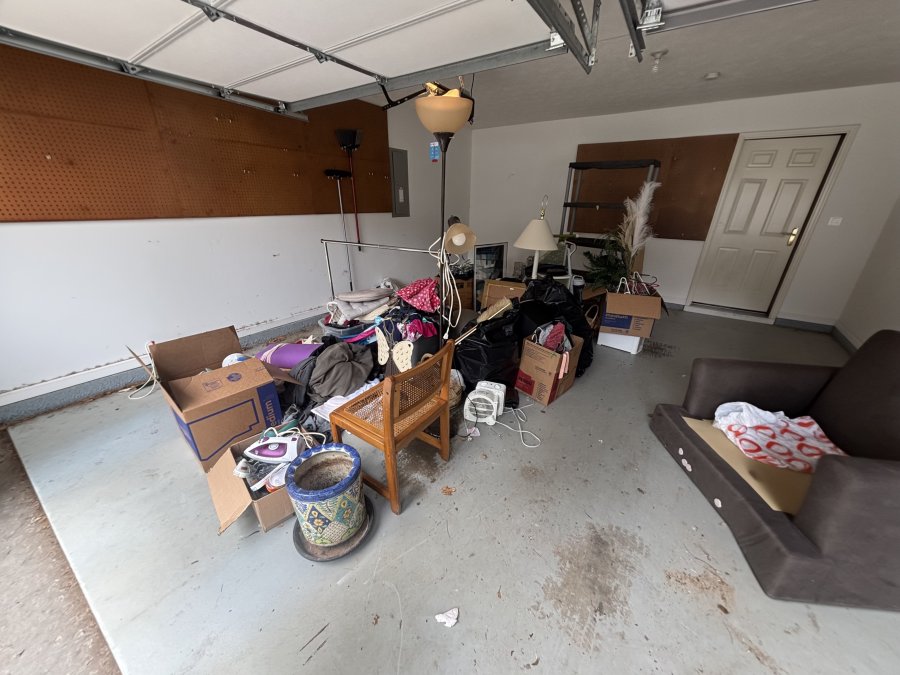
Garages and basements are where decluttering gets physically demanding. These spaces often contain heavy furniture, old appliances, tools, and items people have been meaning to deal with for years.
Start by categorizing: tools you use, seasonal items you need, items for storage, and everything else. Tools should be organized and accessible. Seasonal items should be in labeled bins. Everything in the "everything else" category is clutter.
Old furniture, broken appliances, and items too large to donate easily are where Garage & Basement Cleanouts become practical. Rather than spending weekends hauling items to the dump or struggling to give away a broken refrigerator, I handle the heavy lifting. I work directly with you to identify what needs gone, and I haul it away, leaving your space cleaner than we found it.
For residents in Cumming, Alpharetta, Milton, Johns Creek, Canton, Buford, Suwanee, Sugar Hill, and Dawsonville, scheduling a garage or basement cleanout is straightforward. We assess what you have, provide transparent pricing, and handle the entire removal process.
Decluttering Timeline: How Long Should This Take?
Realistic timelines prevent burnout and keep momentum going. The duration depends on your home's size, how much clutter you have, and how much time you can dedicate per week.
A single room typically takes one to three weeks if you're working a few hours per week. A bedroom or bathroom is faster, often one to two weeks. A kitchen might take two to three weeks because decisions take longer.
A whole home decluttering checklist for an average three-bedroom house usually takes four to eight weeks if you're working consistently. If you're working weekends only, add another two to four weeks.
The mistake most people make is underestimating how long the process takes. They block off a weekend and expect to finish. That leads to burnout, incomplete decisions, and items left in piles throughout the home. Instead, commit to a realistic pace, even one hour per day adds up.
If you're facing an estate cleanout, accelerating the timeline is possible, but it requires help. Heavy furniture, appliances, and large volumes of items are exhausting to handle alone. That's when professional junk removal services save time and physical strain.
The Toss-Donate-Keep System: How to Sort Everything
The toss-donate-keep system is the foundation of any decluttering effort. It removes ambiguity and creates clear categories for every decision.
Keep: Items you use regularly, items that bring joy, items with genuine sentimental value, and items you need for your current life.
Handling Large Volumes: When to Call Junk Removal Services in Cumming, GA
Some decluttering projects exceed what one person can reasonably handle alone. Full home cleanouts, estate liquidations, and garage overhauls often involve heavy furniture, appliances, and large volumes of mixed items.
Building a Decluttering Habit That Sticks
The real challenge isn't the initial decluttering, it's maintaining the space afterward. Without new habits, clutter creeps back in within months.
Frequently Asked Questions
What is the 3-3-3 rule for decluttering?
The 3-3-3 rule is a quick sorting method: identify 3 items to throw away, 3 to donate, and 3 to relocate within your home. It helps build momentum without overwhelming you. Use this daily or weekly to maintain a clutter-free space and prevent decision fatigue. Many people find this rule especially helpful when they're just starting their whole home decluttering checklist and need a simple framework to follow.
How do I decide what to keep and what to get rid of when decluttering?
Ask yourself: Do I use this regularly? Does it bring me joy or serve a purpose? Would I buy it again today? If you answer no to all three, it's time to toss or donate. For sentimental items, photograph them before letting go. This approach reduces decision fatigue and makes the process faster. The key is being honest about what actually adds value to your life right now.
What should I do with large volumes of unwanted items after decluttering?
For furniture, appliances, and bulk items, professional junk removal services handle everything efficiently. If you're in Cumming, Alpharetta, Milton, Johns Creek, Canton, Buford, Suwanee, Sugar Hill, or Dawsonville, I can pick up and responsibly dispose of large volumes in one trip. Smaller donations can go to local charities. Hazardous materials like old paint or electronics need proper disposal—never dump them curbside.
What's the best decluttering timeline for a whole home project?
A typical three-bedroom home takes 4-6 weeks if you dedicate 1-2 hours daily. Larger homes or estates may take 8-12 weeks. Break it into room-by-room phases rather than tackling everything at once. If you're downsizing for a life transition, starting 6-8 weeks ahead gives you time to sort, donate, and arrange removal without stress.