 how-to
Reclaim Space: Garage and Basement Cleanouts
Table of Contents
- Why Reclaim Space Thorough Garage and Basement Cleanouts Matters
- How to Sort Items for Junk Removal
- What to Expect from Junk Removal Service Expectations
- Benefits of Professional Basement Cleanouts
- Step-by-Step Cleanout Process for Garages and Basements
- Safety Considerations and Hazardous Waste Handling
- Post-Cleanout Organization Systems to Keep Your Space Clear
- Conclusion: Take the First Step to Reclaim Space
- Frequently Asked Questions
Last Updated: September 21, 2026
Why Reclaim Space Thorough Garage and Basement Cleanouts Matters
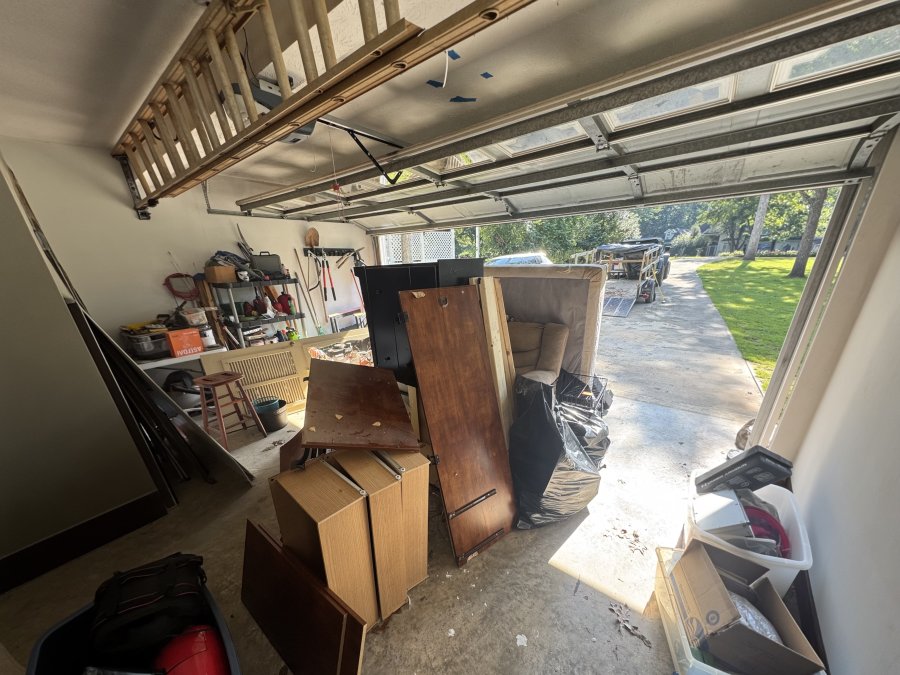
If your garage door barely opens, you already know the problem. Most homes lose usable square footage to clutter long before anyone notices. Learning to reclaim space through thorough garage and basement cleanouts starts with one honest look at what's piling up.
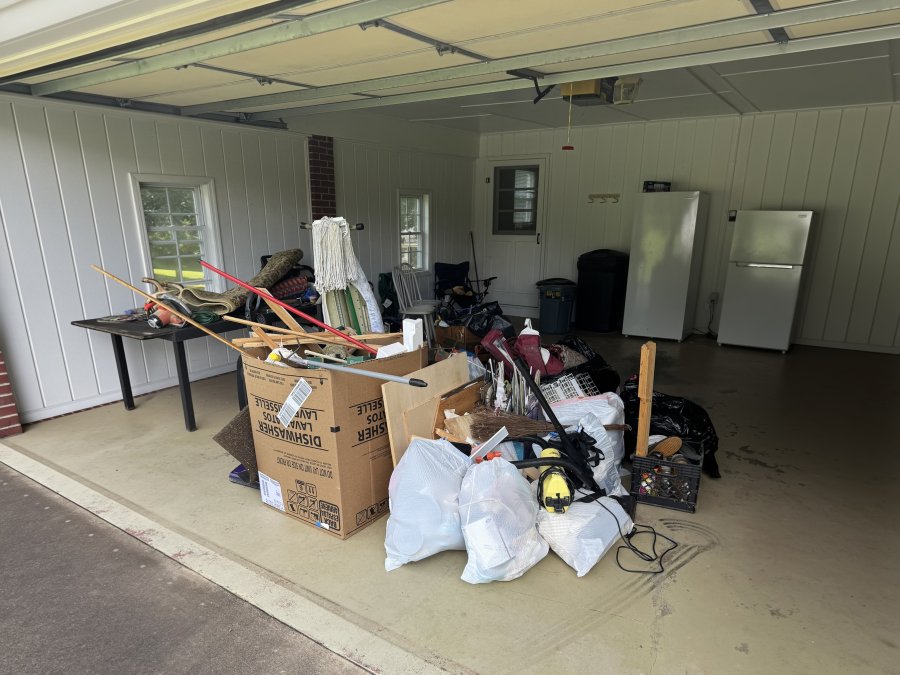
The math is simple. A two-car garage holds roughly 400 square feet. Fill it with broken furniture, old tools, and boxes nobody has opened in years, and you've lost a room's worth of storage. The same goes for a basement.
Here's what most people get wrong: they treat a cleanout as one big haul. It isn't. It's a sorting job first, a hauling job second. Skip the sorting step and you end up tossing things you needed and keeping things you don't.
At Eagle Junk Removal, we've cleared garages, basements, and full properties across Cumming, Alpharetta, Milton, Johns Creek, Canton, Buford, Suwanee, Sugar Hill, and Dawsonville. The pattern is always the same. Clutter builds slowly, then all at once.
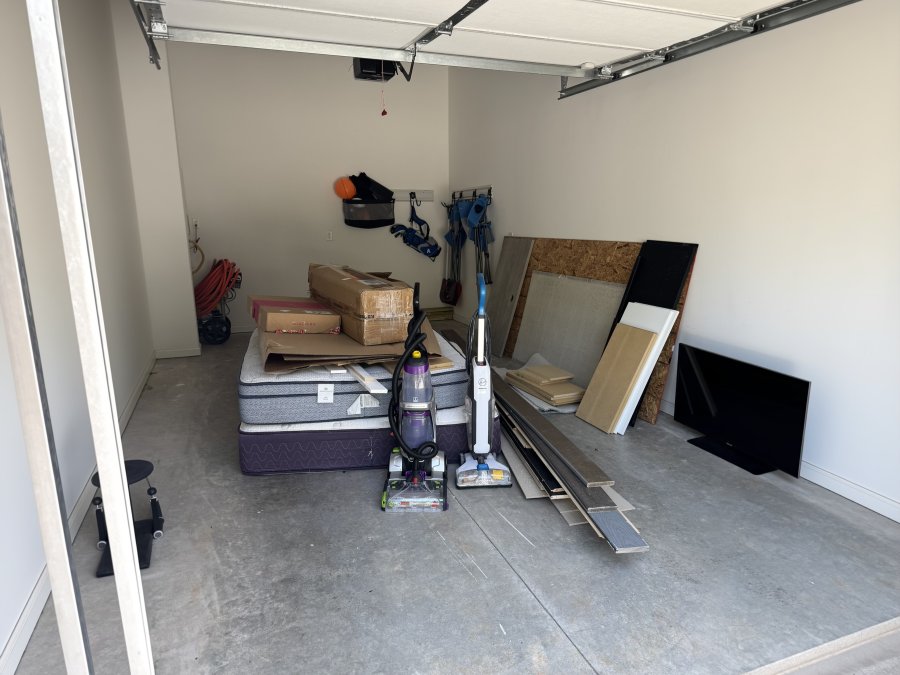
Below, we'll walk through how to sort, what to expect, and how to keep the space clear once it's done.
How to Sort Items for Junk Removal
Sorting is the step that decides whether your cleanout sticks. The goal is four piles, not two. Most people only think in terms of keep and toss, and that's why they stall.
Start with these categories:
- Keep - items you used in the last year
- Donate - working items you no longer need
- Recycle - metal, cardboard, and electronics
- Haul away - broken, bulky, or unsalvageable items
Work one zone at a time. A single shelf beats the whole room. This keeps the job from feeling endless.
A common mistake is sorting by memory instead of by use. "I might need this someday" is how a garage stays full for another decade. If you haven't touched it in a year, it belongs in one of the last three piles.
The borderline-item test
When you genuinely can't decide, run the item through three questions in order:
- Does it work? If it's broken and the repair costs more than a replacement, it goes to haul away.
- Would someone else use it this year? Working tools, bikes, and small appliances usually qualify for donation. Stained mattresses, cracked plastic, and recalled items do not.
- Does it have a home in the space? If there's no shelf, hook, or bin for it, it isn't a keep - it's a decision you're postponing.
Donation versus disposal logistics
This is where most DIY cleanouts lose momentum. Donation isn't a single drop-off - it's a routing decision per item.
- Clothing and linens go to charity drop bins, but only if they're clean and dry. Wet or mildewed textiles get rejected and end up in the trash anyway.
- Furniture and large appliances usually need a scheduled pickup rather than a walk-in drop-off, because most donation centers can't accept them at the counter.
- Electronics often have a separate recycling path. Many counties run periodic e-waste collection events, and retailers that sell electronics frequently accept old units for recycling.
- Building materials, paint, and chemicals are almost never accepted by donation centers, even when they're unopened.
A practical habit: keep a small box by the door labeled "donation run." When it fills, it goes out the same week. A donation pile that sits in the garage for six months just becomes clutter with a nicer name.
Where hazardous items fit
Paint, solvents, motor oil, antifreeze, car batteries, pesticides, propane tanks, and anything containing mercury don't belong in any of the four piles. Set them aside in their own area, keep them upright and capped, and route them to a household hazardous waste collection day. Mixing one propane tank into a general load can cause a hauler to reject the entire truck.
If you'd rather not sort at all, that's fine - we walk the space with you in Cumming, Alpharetta, Milton, Johns Creek, Canton, Buford, Suwanee, Sugar Hill, or Dawsonville, and you make the final call on anything borderline while we handle the lifting and routing.
What to Expect from Junk Removal Service Expectations
A good junk removal service does three things: shows up when promised, gives you a clear quote before work starts, and hauls everything in one or two trips for a normal home.
Here's how a typical visit runs:
- You walk the space with the owner and point out what needs gone
- You get a firm quote based on load size, not guesswork
- We lift, load, and carry everything out
- The space gets swept and left cleaner than we found it
How volume-based quoting actually works
The thing nobody tells you about junk removal pricing is that it depends on volume, not item count. A single appliance is a different job than a packed three-bedroom garage, even though both might be "one pickup."
Most owner-operated haulers quote by how much space your items take up in the truck bed.
- Single item - one appliance, one mattress, one couch
- Quarter load - a closet cleanout, a few boxes, a small shelf unit
- Half load - a single room's worth of furniture and boxes
- Full load - a packed one-car garage or a heavily cluttered basement
What the owner-operated difference looks like
If you've had providers ghost you or show up hours late, ask two questions up front: who is actually doing the job, and what happens if something gets damaged.
That matters for three reasons:
- Consistent quotes. The person who walks your garage is the person who loads the truck, so the quote you get is the quote you pay.
- Accountability. If something gets scratched, there's one person responsible - not a franchise location pointing at a subcontractor.
- Local knowledge. We know which donation centers in the area accept furniture, which recycling yards take scrap metal, and which county runs household hazardous waste days.
Benefits of Professional Basement Cleanouts
Professional basement cleanouts solve problems most homeowners can't handle alone. Basements hold the heaviest items in the house: old appliances, water heaters, treadmills, and furniture that won't fit through a normal doorway.
The benefits go beyond a clear floor:
- Heavy lifting handled safely - no strained backs or damaged walls
- Proper disposal - items routed to recycling or donation instead of a random dumpster
- Time back - a job that takes you three weekends takes us one visit
- Real space recovered - a finished basement adds usable square feet to your home
Step-by-Step Cleanout Process for Garages and Basements
Every cleanout we run follows the same basic steps. Knowing them ahead of time makes the whole process faster.
Safety Considerations and Hazardous Waste Handling
Safety is where DIY cleanouts go wrong most often. Two categories cause the most trouble: heavy items and hazardous materials.
- Paint, stain, and solvents
- Motor oil, antifreeze, and car batteries
- Pesticides and lawn chemicals
- Old propane tanks
- Fluorescent bulbs and items containing mercury
Post-Cleanout Organization Systems to Keep Your Space Clear
A clean garage stays clean only if it has a system. Empty space fills back up within a year without one.
Zone | What Goes There | Best Storage |
|---|---|---|
Daily use | Shoes, coats, sports gear | Wall hooks, open bins |
Tools | Hand tools, hardware | Pegboard, labeled drawers |
Seasonal | Holiday decor, fans | High shelves, sealed totes |
Overflow | Rarely used items | Overhead racks |
Conclusion: Take the First Step to Reclaim Space
Clutter wins by default. It builds quietly until a garage or basement stops working for you. Reversing that takes one decision and one visit.
Frequently Asked Questions
How much does it cost to have a basement cleaned out?
The cost depends on the volume of items, their weight, and how much labor is needed. Since every basement is different, we provide a free, no-obligation estimate before any work begins. Factors like whether you have old appliances, furniture, or just general clutter will affect the total. For a personalized quote, visit our website or give us a call.
How do I prepare my basement for a professional cleanout?
Start by sorting items into keep, donate, and discard piles. Clear a path to the basement entrance and make sure our team can safely access the area. If you have hazardous materials like paint or chemicals, set them aside and let us know in advance. We'll handle the heavy lifting and disposal, but your sorting helps speed up the process and ensures nothing valuable is accidentally removed.
What items are typically removed during a basement cleanout?
We remove almost anything non-hazardous, including old furniture, appliances, boxes, clothing, toys, tools, and general debris. We also take bulky items like water heaters, treadmills, and shelving units. If you have hazardous waste like paint, motor oil, or pesticides, we can advise you on proper disposal options. Our goal is to leave your basement clean and ready to use.
How does a professional junk removal service handle heavy items?
Our owner-operated service uses proper lifting techniques and equipment like hand trucks and dollies to safely remove heavy items without damaging your property. We're fully licensed and insured, so you're covered in the unlikely event of an accident. Whether it's a piano, safe, or pool table, we have the experience to get it out efficiently and responsibly.